
Categories List
 Global PV Industry 2025: Navigating Diversification and Breakthroughs Amid Policy Shifts
 PV Industry’s Anti-Involution Campaign Bears Fruit: Marching Toward Value Reconstruction in 2025
 PV Industry Enters Critical Transformation: From Scale Expansion to Value Creation
 PV Industry Enters Critical Juncture: From Quantity Expansion to Quality Breakthrough
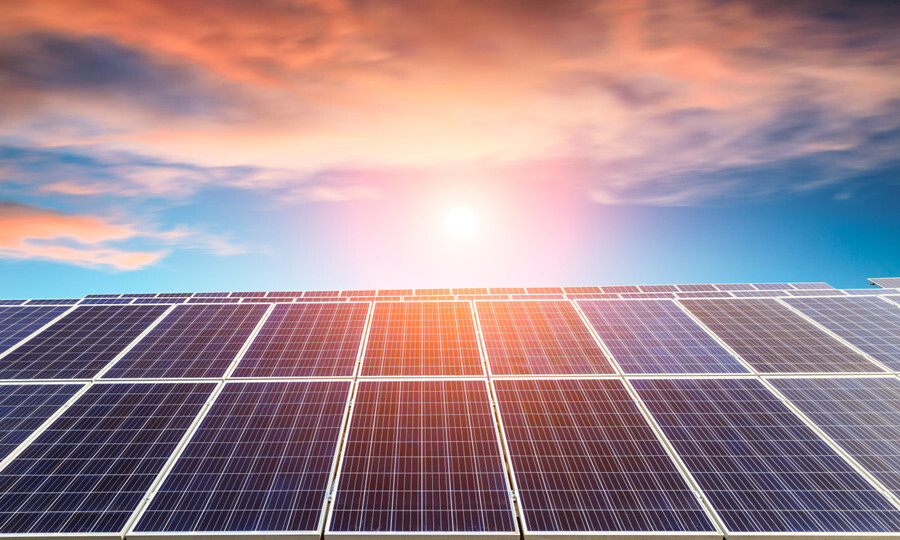
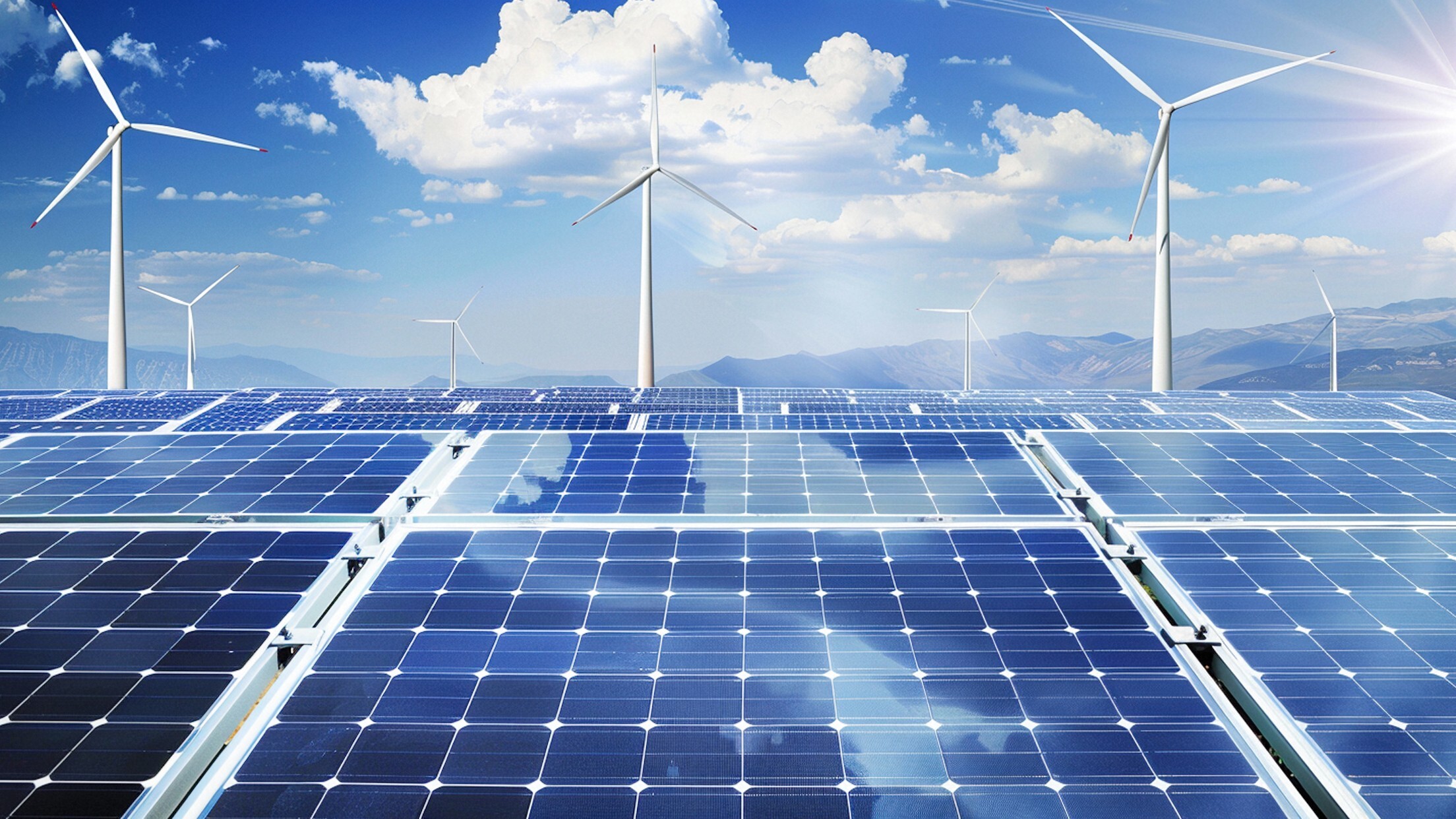
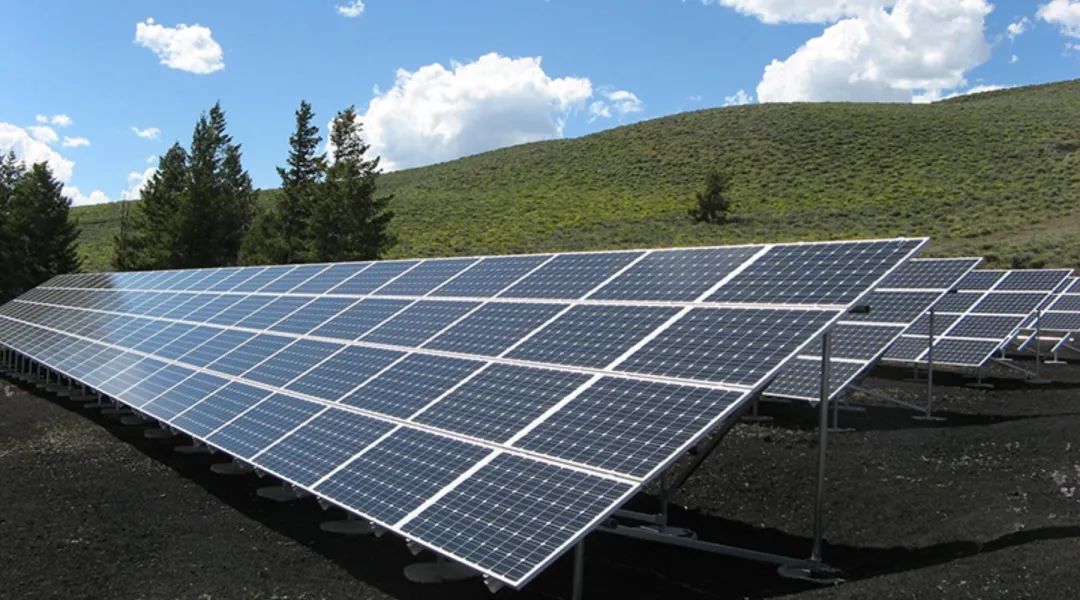
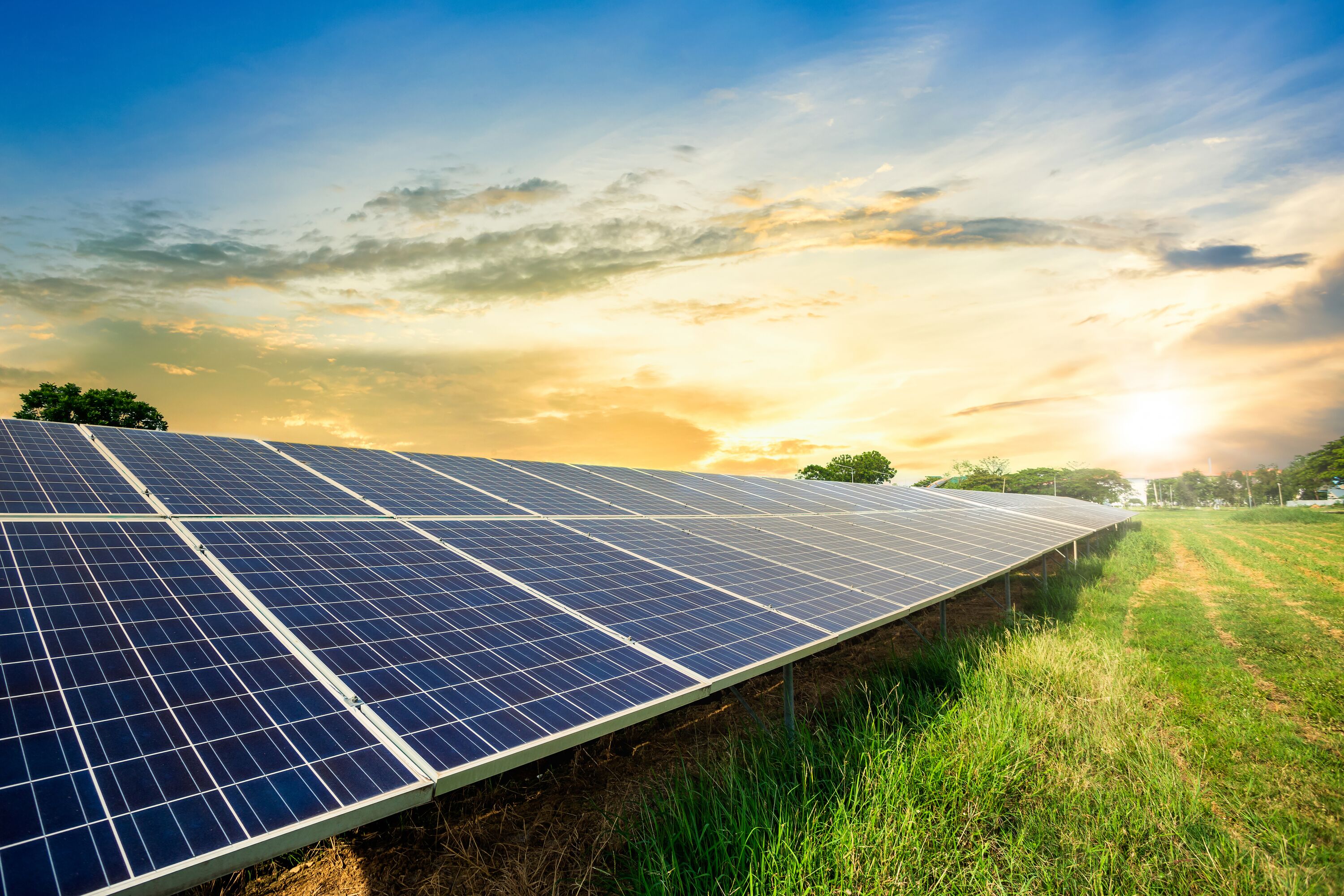
The global photovoltaic (PV) industry continues to expand rapidly, driven by technological advancements, policy support, and increasing demand for renewable energy. As we look ahead to 2025, key trends include market consolidation, regional growth disparities, and breakthroughs in efficiency. The International Energy Agency (IEA) predicts that global renewable energy capacity will grow by 5% annually, with solar power accounting for nearly 80% of new installations1. China, the European Union, and emerging markets are leading this expansion, while technological innovations like N-type TOPCon panels and high-power modules are reshaping industry standards.
1. Market Expansion and Regional Trends
1.1 Global Installations and China’s Dominance
- Global Projections: The China Photovoltaic Industry Association (CPIA) revised its 2025 global solar installation forecast to 570–630 GW, up from earlier estimates of 531–583 GW2. China alone is expected to contribute 270–300 GW, reinforcing its position as the world’s largest PV market3.
- Regional Breakdown:
- China: In 2025, distributed PV accounted for 53% of new installations, with Jiangsu, Guangdong, and Zhejiang leading in commercial projects45.
- Europe: The EU aims to reach 600 GW of solar capacity by 2030, with Germany spearheading growth. Western Europe’s capacity is projected to triple by 203419.
- U.S. and Emerging Markets: Jinko Solar reported a 55% share of high-value overseas markets in Q3 2025, with strong growth in Asia-Pacific and Latin America14.
1.2 Industry Shakeout and Consolidation
- Overcapacity Risks: Chinese manufacturers like Jinko Solar and LONGi face pressure due to supply-demand imbalances, with smaller players at risk of insolvency1.
- Bankability Leaders: JA Solar and Trina Solar maintain top-tier ratings, reflecting their financial resilience amid volatility1416.
2. Technological Breakthroughs
2.1 High-Efficiency Modules
- N-Type TOPCon: Jinko Solar’s Tiger Neo 3.0 series delivers 670W power output and 25.58% efficiency, certified by TÜV SÜD15. LONGi’s Hi-MO X10, launched in 2025, sets new benchmarks for commercial applications16.
- P-Type vs. N-Type: N-type panels offer 1.5% higher efficiency, lower degradation (1% initial loss), and better performance in low-light conditions9.
2.2 Integration and Smart Solutions
- BIPV and Storage: Europe’s focus on building-integrated PV and hybrid systems is driving demand for seamless energy solutions19.
- AI-Optimized Operations: Companies like LONGi are leveraging AI for predictive maintenance and yield optimization16.
3. Policy Landscape
3.1 Europe’s Localization Push
- The EU’s 2025–2027 Solar Strategy mandates 30% of projects use locally manufactured components, aiming to reduce reliance on Asian supply chains20. Italy’s "FerX" policy further restricts Chinese-made panels in public tenders21.
3.2 China’s Subsidy Reforms
- A new 20% investment subsidy scheme lowers project costs, particularly for distributed PV and large-scale "green hydrogen" initiatives22. Regional programs like Shanghai’s offer up to 1,200 CNY/kW for eligible installations24.
4. Challenges and Future Outlook
4.1 Market Risks
- Supply-Demand Imbalance: China’s overcapacity may trigger further consolidation1.
- Policy Uncertainty: India and Brazil’s regulatory shifts pose short-term hurdles20.
4.2 Long-Term Opportunities
- Decarbonization: Solar is on track to meet 50% of global renewable energy targets by 203028.
- Innovation Pathways: Perovskite solar cells and tandem technologies could surpass 30% efficiency by 20261819.
Caption: Jinko Solar’s Tiger Neo 3.0 modules in a utility-scale project, showcasing high-power PV technology.
Sources: CPIA, IEA, EU Solar Strategy, Jinko Solar/LONGi press releases, PV Tech Bankability Report.
(Note: Replace image placeholder with actual module or project photos from [15][16].)
This expanded report integrates market data, technical insights, and policy updates to provide a comprehensive overview of the 2025 PV landscape. Let me know if you’d like to emphasize specific sections further.
Get in Touch